
Winter brings a unique set of challenges for dog owners. While the risks of antifreeze toxicity in dogs is well documented, salt toxicity in dogs remains a hidden and often overlooked danger. As temperatures plummet across the UK and gritters begin treating the roads, our “safe” walking paths become covered in hazards. At The Dog First Aid Co., we want to ensure you are prepared to manage the dual threats of winter salt: painful chemical burns to the paws and life-threatening internal toxicity.
Being prepared for an emergency is vital. Learn to recognise the symptoms of toxicity and take swift action by securing your place on our in-person courses, or our flexible CPD Accredited Dog First Aid & CPR online course. Book your course today and prepare yourself to save your dog’s life.
The Two Types of Winter Salt
In the UK, you will likely encounter two different de-icing agents, both of which pose a risk:
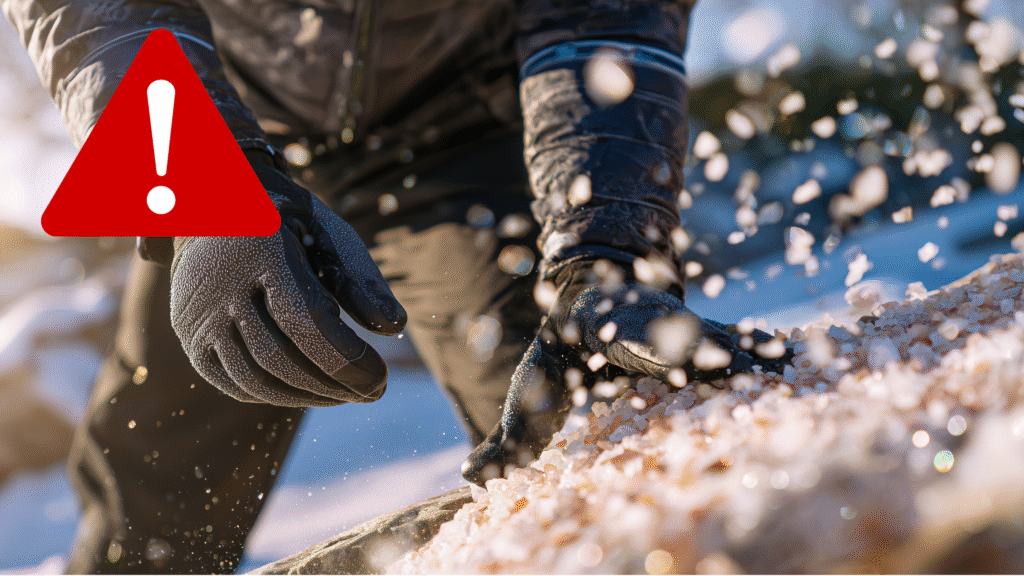
- Brown Rock Salt (Grit): This is the standard road grit used by local councils. It is a mixture of salt and insoluble minerals (marl) that act like sandpaper, becoming incredibly abrasive and painful on delicate paw pads.
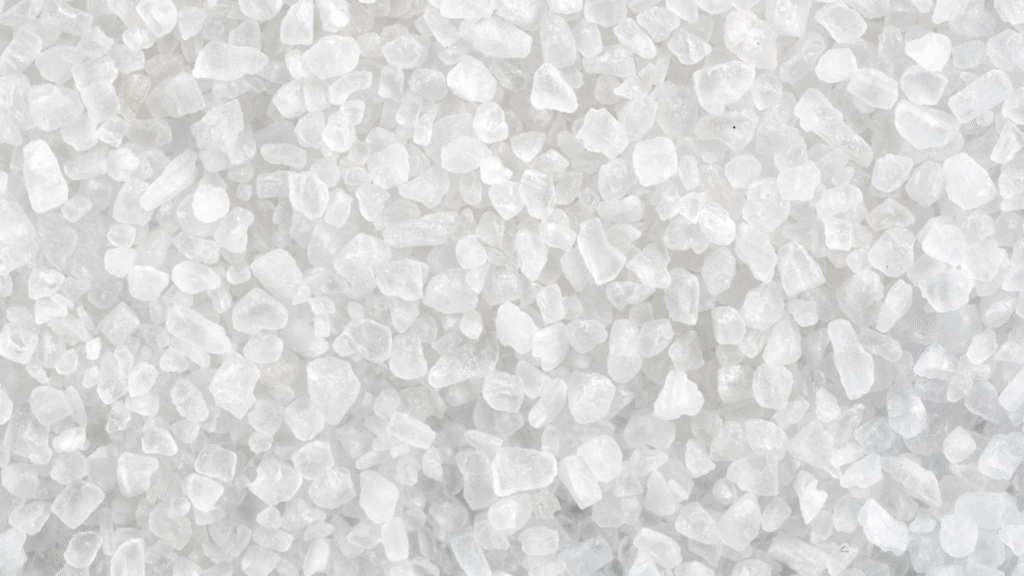
- White De-icing Salt: Commonly used on private driveways and shop entrances, this is a purer, more concentrated form of sodium chloride. Its concentration makes it highly reactive and corrosive when it comes into contact with skin.
How Salt Harms the Paws
Salt is a natural desiccant, meaning it aggressively draws moisture out of anything it touches. When trapped between a dog’s toes or in the fur of their paws, it:
- Strips away natural protective oils and moisture.
- Causes severe dryness and deep, painful cracking.
- Triggers chemical burns, especially if the de-icer contains calcium chloride, which is significantly more corrosive than standard sodium chloride.
Internal Salt Toxicity in Dogs
The threat doesn’t end when the walk is over. Because dogs instinctively groom themselves, they often lick the salt and grit directly off their fur and paws.
- Hypernatremia: Ingesting salt leads to dangerously high sodium levels in the blood.
- Cellular Dehydration: This spike in salt causes the body’s cells to lose water rapidly, leading to serious medical complications.
Signs of Salt Toxicity to Watch For
If your dog has been walking on treated surfaces, monitor them closely for the following symptoms:
- Vomiting and diarrhoea.
- Extreme thirst or excessive drooling.
- Lethargy or acting “unusually tired”.
- Incoordination or “walking drunk”.
- Tremors or seizures.
Your “Safe Return” Routine
Prevention and immediate first aid are your best tools during a UK winter.
- The Lukewarm Rinse: Don’t just use a wet wipe. Use a bowl of lukewarm water to thoroughly dissolve and wash away salt crystals from the paws, legs, and undercarriage.
- Dry Thoroughly: Moisture trapped in the fur can lead to “snow sores” or bacterial infections.
- Barrier Balms: Apply a pet-safe paw wax before heading out to create a physical shield against chemicals.
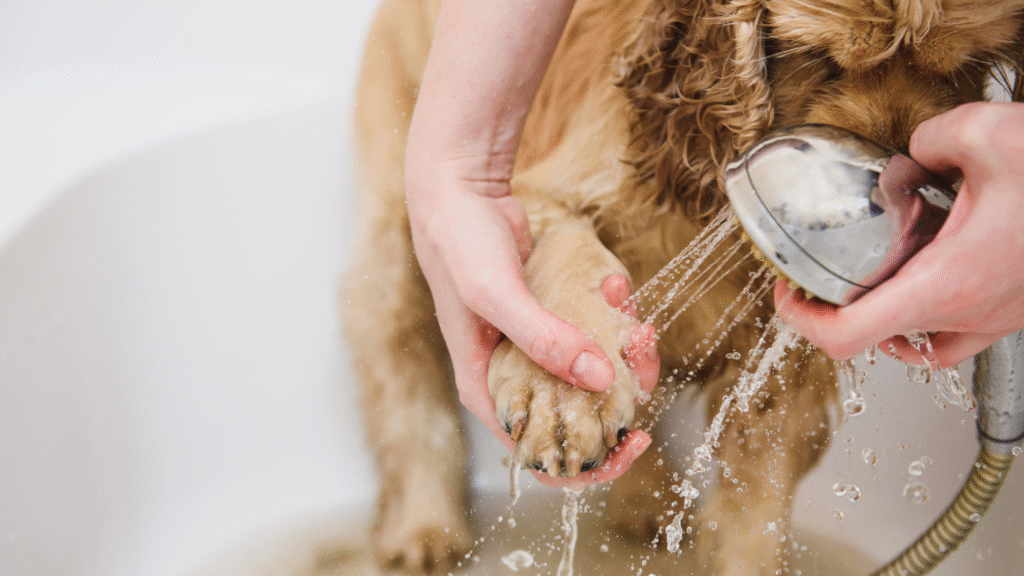
If you suspect your dog has ingested road salt and is showing any signs of toxicity, contact your vet immediately. This is a medical emergency that requires professional care to safely rebalance electrolyte levels.
 We are a provider of premium first aid kits, with a large range of essential high quality veterinary approved materials and equipment, designed by a registered veterinary nurse with dogs in mind.