
The colder months can bring a hidden, deadly danger to our pets; ethylene glycol toxicity, more commonly known as antifreeze poisoning in dogs & cats. While this toxicity is most commonly seen in cats due to their roaming ability, which leads them into sheds and garages where spills occur, dogs are also highly susceptible to the ethylene glycol found in most antifreeze products.
This colourless, odourless liquid is dangerously attractive because it has a sweet taste. Even a tiny amount ingested can result in severe, often fatal, poisoning.
Being prepared for an emergency is vital. Learn to recognise the symptoms of toxicity and take swift action by securing your place on our in-person courses, or our flexible CPD Accredited Dog First Aid & CPR online course. Book your course today and prepare yourself to save your dog’s life.
Why Ethylene Glycol is So Dangerous
Antifreeze has a very narrow margin of safety. Once ingested, the ethylene glycol is rapidly absorbed and metabolised by the liver into toxic by-products, primarily oxalate crystals. These crystals then travel to the kidneys, causing severe and irreversible acute kidney failure, which can lead to death.
Where and How Does Antifreeze Poisoning Happen?
Dogs typically lap up ethylene Glycol from:
- Leaks or spillages around driveways and gutters.
- Puddles in garages or sheds where products are stored.
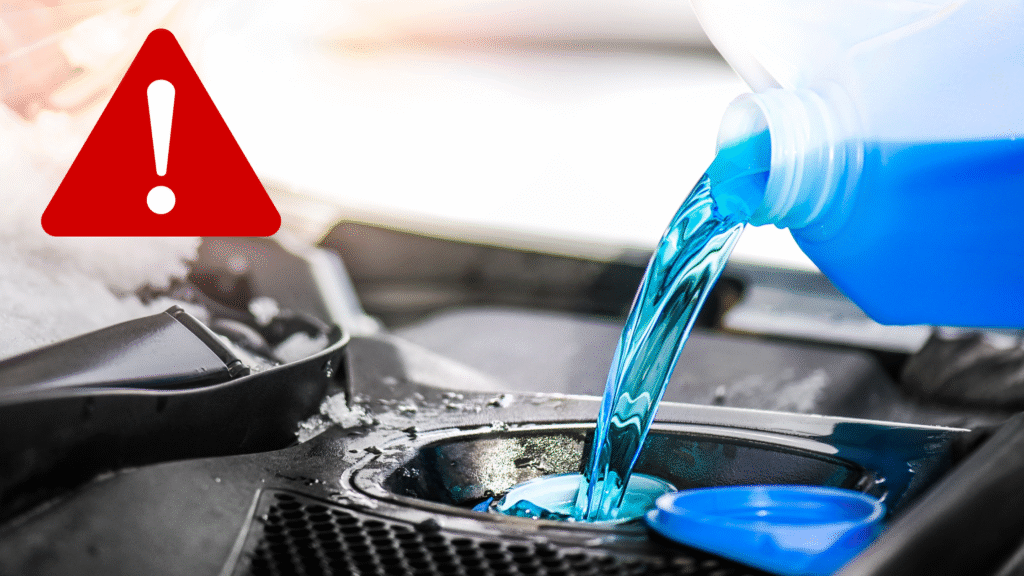
- Spillages during car fluid top-ups or maintenance.
- Contaminated water sources near a spill site.
- Other household products containing ethylene glycol, such as windshield de-icing agents, some motor oils, brake fluid, and even decorative snow globes.
🚨 Recognising the Signs of Antifreeze Poisoning
The symptoms of antifreeze poisoning in dogs and cats can appear in two distinct stages, making early diagnosis crucial:
Stage 1
Within 30 minutes to 12 hours – Drunken behaviour (ataxia), increased thirst, increased urination, vomiting.
Stage 2
12 to 72 hours – Lethargy, weakness, severe depression, reduced or absent urination (due to kidney shutdown), oral ulcers, and seizures.
The prognosis is very poor once clinical signs of kidney failure have developed. Crucially, between Stage 1 and Stage 2 (roughly 12-24 hours post-ingestion), your pet may appear to recover. This is a dangerous false recovery and must not delay your emergency trip to the vet. Immediate veterinary attention is imperative.
🛑 What You Must Do
If you suspect your pet has consumed any amount of antifreeze, or even encountered a suspicious liquid:
- Do not attempt home remedies. Immediate veterinary treatment is the only chance of survival. Call your veterinarian or your nearest emergency veterinary clinic while you are driving there.
- Treatment must begin within as soon as possible, or within 8 to 12 hours of ingestion. After this narrow window, the antidote (Fomepizole or Ethanol) becomes largely ineffective, and the prognosis declines rapidly.
- If your dog has suspicious liquids on its paws or fur, wash the area immediately with warm water and soap to prevent further ingestion via licking.
- Tell your vet the estimated time, amount, and type of product ingested (if known). The vet will need to start immediate therapeutic intervention (often including supportive care or medications to block the metabolism of Ethylene Glycol, such as the specific antidote Fomepizole or Ethanol).
- For advice on any suspected toxicity, you can contact the Veterinary Poisons Information Service (VPIS) – Pet Poison Helpline in the UK.
Protecting Your Dog from Antifreeze Poisoning
Prevention is the only certain defence against this danger. We urge all people to:
- Wherever possible, use propylene glycol substitutes instead of ethylene glycol products, as propylene glycol is significantly less toxic. While other substitutes (like methanol) can still cause illness, making careful storage essential, propylene glycol does not pose the same severe, life-threatening risk of kidney failure as ethylene glycol.
- Store all liquid car products and cleaning chemicals in secured, inaccessible containers or high shelving in your garage or shed.
- Immediately and thoroughly clean up all leaks and spills with copious amounts of water and detergent. Do not simply hose the area down, as this only spreads the contaminant.
Despite immediate and intensive veterinary treatment, ethylene glycol poisoning is often fatal. Mortality rates in dogs are reported to range from 59% to 70%. While the chance of survival is much higher if treatment begins within the first 8 to 12 hours of ingestion, the outlook declines sharply if kidney damage is already present upon arrival at the clinic. For this reason, preventing access to antifreeze and acting instantly remains the best and only true defence.
 We are a provider of premium first aid kits, with a large range of essential high quality veterinary approved materials and equipment, designed by a registered veterinary nurse with dogs in mind.